
Services
Transport, distribution and supply chain services
We move dry cargo and petroleum products across Uganda for manufacturers, distributors, FMCG companies, industrial enterprises, commercial organisations and oil marketing companies.
Dry cargo
Freight transport and distribution
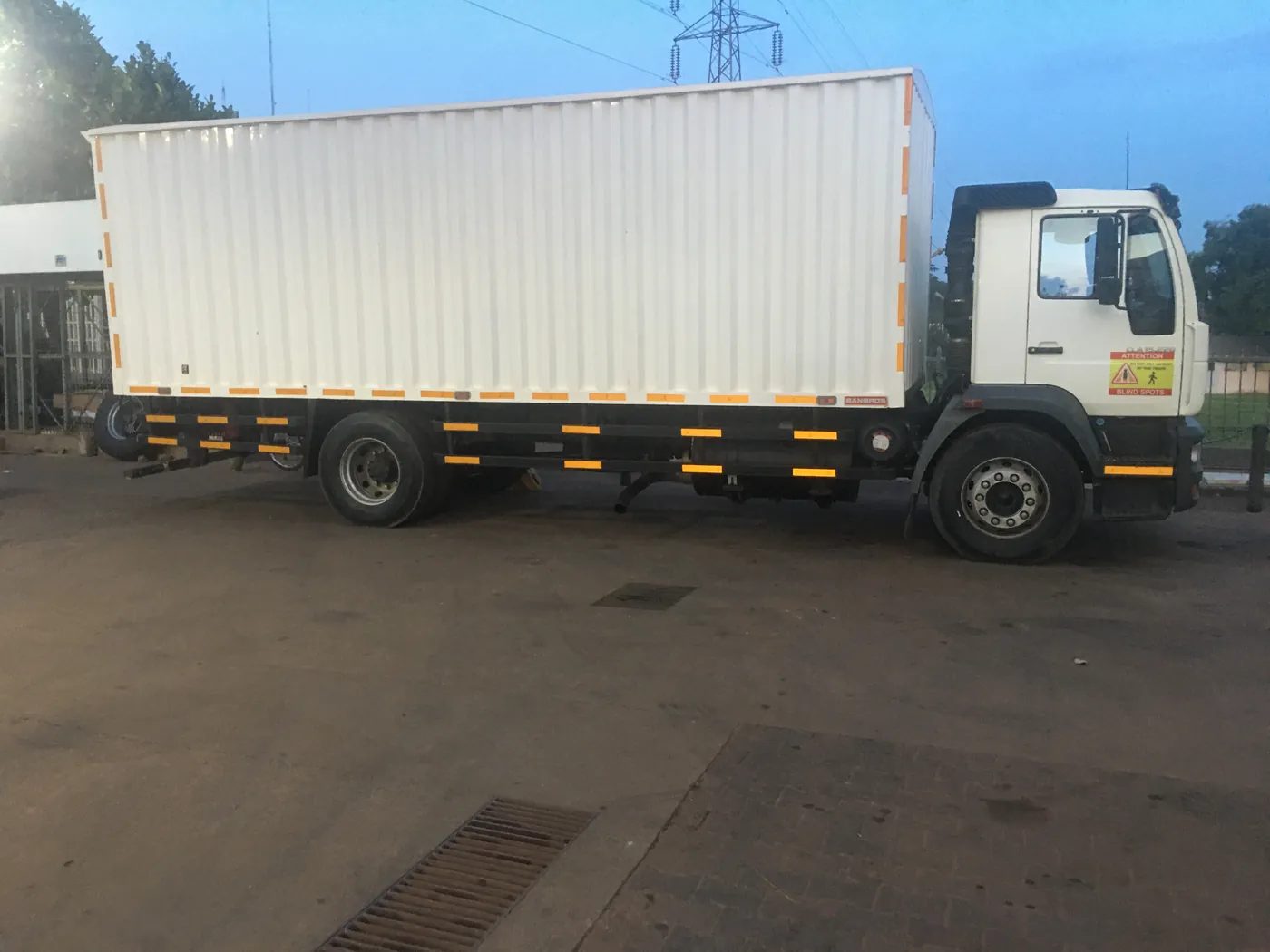
Box trucks and flatbeds move raw materials, finished goods and commercial cargo anywhere in Uganda, for businesses that need deliveries they can plan around.
General freight transport
Raw materials, finished products and commercial goods carried safely and on time between suppliers, plants, warehouses and customers.
FMCG and distributor deliveries
Reliable transport from manufacturers and warehouses to distributors, so products reach the market when they are needed.
Manufacturing and industrial logistics
Production inputs into plants and finished goods out, with flatbeds for industrial materials and heavier loads.
Contract and dedicated transport
Dedicated trucks and drivers under contract, drawn from our own fleet and supplemented with leased capacity when volumes require it, with agreed routes, rates and service levels, for businesses that want to outsource transport.
Petroleum logistics
Fuel transport for oil marketing companies
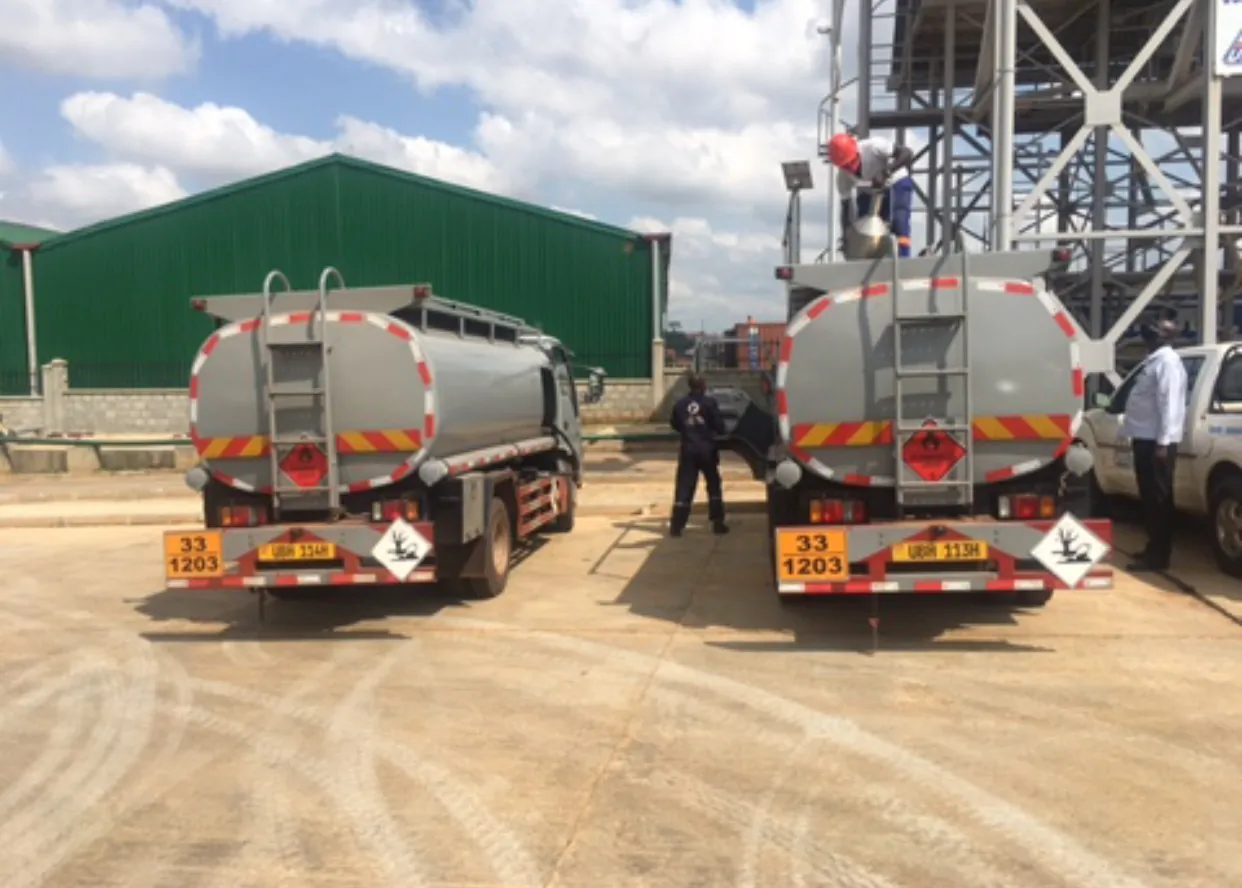
Our tankers carry petrol (PMS) and diesel (AGO) from depot to retail service station. They load at the Jinja and Kampala depots and deliver to fuel stations anywhere in Uganda.
Secondary fuel transport
Bulk road transport of white products from depot loading points to service stations, dispatched against the customer’s delivery documents.
Multi-drop station deliveries
One load split across several stations on a planned route. Each drop is recorded against its own delivery invoice, so volumes delivered reconcile with volumes loaded.
Contract haulage
Dedicated tanker capacity under secondary transport contracts with oil marketing companies.
Equipment
The right truck for the load
Box trucks
Closed-body trucks that keep packaged goods, FMCG products and commercial cargo secure and dry.
Flatbeds
Open-deck trucks for industrial materials and loads that need side or crane loading.
Fuel tankers
Compartmented tankers for petrol and diesel, fitted with hazard placards and safety equipment.
What every delivery includes
- A trained, assessed driver
- A maintained, inspected truck
- A planned route and journey plan, with a route risk assessment
- GPS tracking from collection to delivery, with real-time visibility for the customer
- Delivery documentation for every load
- Incident and emergency response procedures
How a delivery works
From depot to station: the life of one delivery
Every load, dry cargo or fuel, follows the same disciplined path, so customers know what happens at each stage and can follow their delivery as it moves.
-
1
Enquiry and quotation
You tell us what needs to move, the collection point, delivery locations, expected volumes and frequency, and your preferred start date. We confirm trucks, route and rate before any load moves.
-
2
Planning the journey
The route is planned on our ERP system, with a route risk assessment and a journey plan for the driver. A trained, assessed driver and a maintained, inspected truck are assigned to the load.
-
3
Loading
Dry cargo is loaded and secured for the road ahead. Fuel is loaded at the Jinja or Kampala depots against the customer’s delivery documents, into compartmented tankers fitted with hazard placards and safety equipment.
-
4
On the road
Dispatch follows the journey by GPS as it happens. Customers can see where their delivery is, and delays are spotted and acted on early rather than explained afterwards.
-
5
Delivery and documentation
On a multi-drop route, each drop is recorded against its own delivery invoice, so volumes delivered reconcile with volumes loaded. Delivery documentation is completed for every load.
-
6
Review and reporting
The trip is recorded in the ERP by truck, customer and load. Dashboards report performance against agreed standards, and we review the results with the customer.